










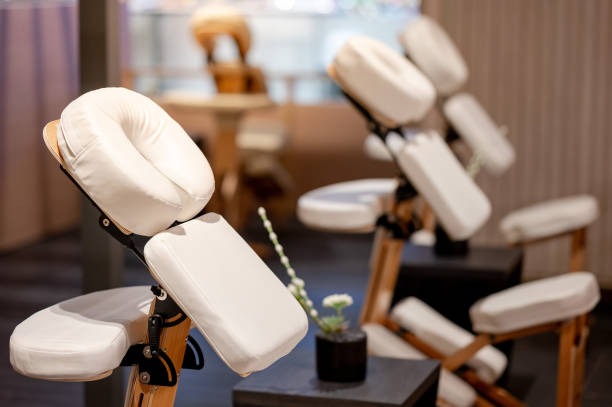
The use of massage chairs as a means to enhance relaxation after physical activity has gained considerable attention in recent years. Many individuals seek effective methods to recover from exercise-induced muscle fatigue and soreness, aiming to improve overall well-being and performance. Massage chairs offer a convenient and accessible option, promising benefits similar to those provided by professional massage therapists. But the question remains: do massage chairs truly improve relaxation after physical exertion?
Physical activity, especially intense workouts or prolonged exercise sessions, often leads to muscle tension, micro-tears in muscle fibers, and accumulation of metabolic waste such as lactic acid. These factors contribute to discomfort and delayed onset muscle soreness (DOMS), which can hinder recovery and reduce motivation for future exercise. Traditional massages have been shown through various studies to alleviate these symptoms by increasing blood circulation, reducing muscle stiffness, and promoting the release of endorphins-natural painkillers produced by the body.
Massage chairs are designed with rollers, airbags, and vibration mechanisms that mimic hand movements used in manual massages like kneading, tapping, rolling, or shiatsu techniques. These mechanical actions aim to stimulate muscles similarly by applying pressure at specific points along the body’s musculature. Users often report feelings of relief from tightness and enhanced comfort following a session in a massage chair reviews.
Scientific research on this topic indicates positive outcomes associated with using massage chairs after exercise. Studies suggest that regular use can lead to reduced perceived muscle soreness and improved range of motion compared to passive rest alone. The rhythmic compression may help accelerate the clearance of metabolic waste products while encouraging blood flow necessary for tissue repair processes.
Furthermore, beyond physiological effects on muscles themselves, massage chairs also influence psychological aspects related to relaxation. The soothing sensations generated during massages trigger parasympathetic nervous system responses-the part responsible for “rest-and-digest” functions-thereby lowering heart rate and cortisol levels (stress hormones). This calming effect not only aids mental relaxation but also facilitates better sleep quality post-exercise.
However, it is important to recognize limitations when relying solely on massage chairs for recovery purposes. While beneficial for mild-to-moderate post-activity discomforts or general tension relief, they may not replace hands-on therapy needed for severe injuries or chronic conditions requiring targeted treatment plans devised by healthcare professionals.
In conclusion, massage chairs do provide meaningful improvements in relaxation following physical activity through both physiological mechanisms like enhanced circulation and psychological benefits including stress reduction. Their convenience makes them an attractive option for athletes or fitness enthusiasts seeking supplementary recovery tools at home or gym settings. Nevertheless, integrating other recovery strategies such as proper hydration, nutrition intake alongside stretching routines will yield more comprehensive results than any single method alone could achieve.