









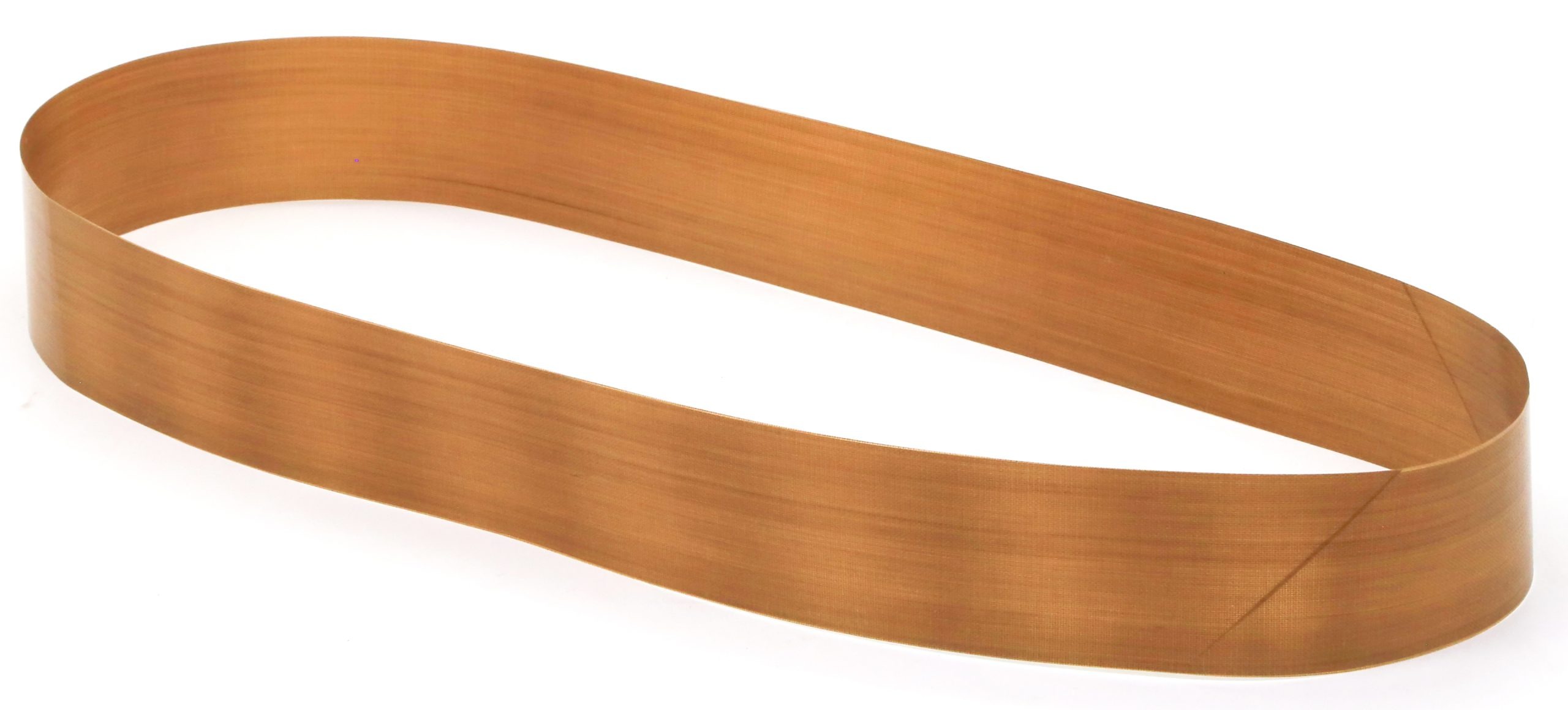
Polytetrafluoroethylene (PTFE) has become a cornerstone in the development of heat-resistant solutions, particularly in industrial applications that demand resilience and durability. Among the leading innovators utilizing this remarkable material is EDER, a company renowned for its advanced engineering and production of PTFE belts. These belts are not just pivotal for their heat-resistant properties but also for their versatility and efficiency across various sectors.
EDER’s PTFE belts stand out due to their exceptional ability to withstand extreme temperatures while maintaining structural integrity. This characteristic makes them indispensable in industries such as food processing, textiles, electronics manufacturing, and more. The unique composition of PTFE provides these belts with a non-stick surface that facilitates smooth operations without the risk of materials adhering to them, thereby enhancing productivity and reducing downtime caused by maintenance issues.
One of the key advantages of using PTFE belts from EDER is their high thermal stability. These belts can endure temperatures ranging from -70°C to +260°C (-94°F to +500°F), making them suitable for both freezing conditions and high-heat environments. This wide temperature range ensures that they perform optimally regardless of external conditions, providing businesses with reliable performance year-round.
Moreover, EDER’s commitment to quality is evident in the durability of their products. The inherent chemical resistance offered by PTFE means that these belts can resist corrosion from harsh chemicals often encountered during industrial processes. This resistance extends the lifespan of the equipment significantly compared to traditional materials which might degrade over time when exposed to similar conditions.
In addition to thermal stability and chemical resistance, EDER’s PTFE belts offer excellent mechanical strength without compromising flexibility. This balance allows for easy installation and operation within existing systems without necessitating significant modifications or investments in new machinery. Their lightweight nature further contributes to energy savings during operation—an important consideration for companies aiming at sustainability goals.
Another notable feature is the low friction coefficient associated with PTFE surfaces which reduces wear on moving parts within machinery where these belts are employed. By minimizing friction-related damage, companies can achieve smoother operations with less frequent need for repairs or replacements—a critical factor in maintaining continuous production lines efficiently.
In conclusion, EDER has harnessed the extraordinary properties of PTFE through innovative design and manufacturing techniques resulting in superior heat-resistant belt solutions tailored for demanding industrial applications. Their dedication not only enhances operational efficiencies but also aligns with modern-day requirements for sustainable practices through durable product offerings that minimize wasteful turnover rates common with lesser-quality alternatives. As industries continue evolving towards greater technological advancements paired with environmental consciousness, EDER’s contributions set an exemplary standard within this niche market segment.